

2026 Workshop: The Political Economy of the Energy Transition in Indonesia
The Mortara Center for International Studies coloborated with Georgetown’s McDonough School of Business, Princeton University’s Niehaus Center for Globalization and Governance, and the Policy and Climate Transition (PACT) Lab at Stanford University to bring a group of scholars of international politics to the Republic of Indonesia for a workshop and study trip on the political economy of the energy transition and climate change in Indonesia.
The study trip began on Sunday, June 7, with participation in the Jakarta Future Festival, an annual forum organized by the Provincial Government of Jakarta that brings together policymakers, academics, civil society, and the public to discuss the city’s long-term development as it approaches its 500th anniversary. Centered on the theme of urban resilience, the festival explores challenges including climate change, water management, infrastructure, housing, and sustainable development. During the opening day, the delegation was hosted by the Consul General of Indonesia in New York and met with representatives from Jakarta’s Regional Development Planning Agency (Bappeda), who discussed the city’s long-term planning priorities and the challenges of managing rapid urbanization, including water security, infrastructure investment, and inclusive economic development. The group then toured the festival’s interactive exhibits, which showcased innovative approaches to urban planning, public engagement, and sustainable city development.
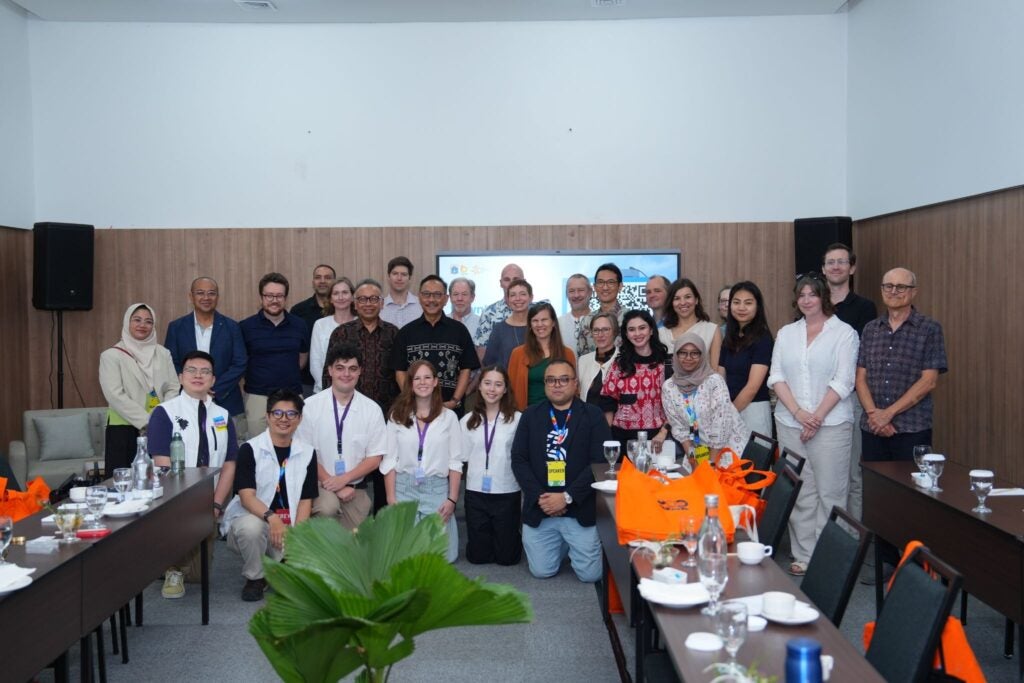
The day’s activities concluded with a guided walking tour of North Jakarta led by Abimantra Pradhana, an architect and urban historian, and water specialists from Sobat Air Jakarta. The tour introduced participants to the city’s architectural heritage and urban history while illustrating many of the challenges discussed earlier in the day, including flooding, land subsidence, and the pressures of rapid urbanization. By connecting Jakarta’s historical development with its contemporary climate adaptation challenges, the excursion provided valuable context for the discussions that followed throughout the week.
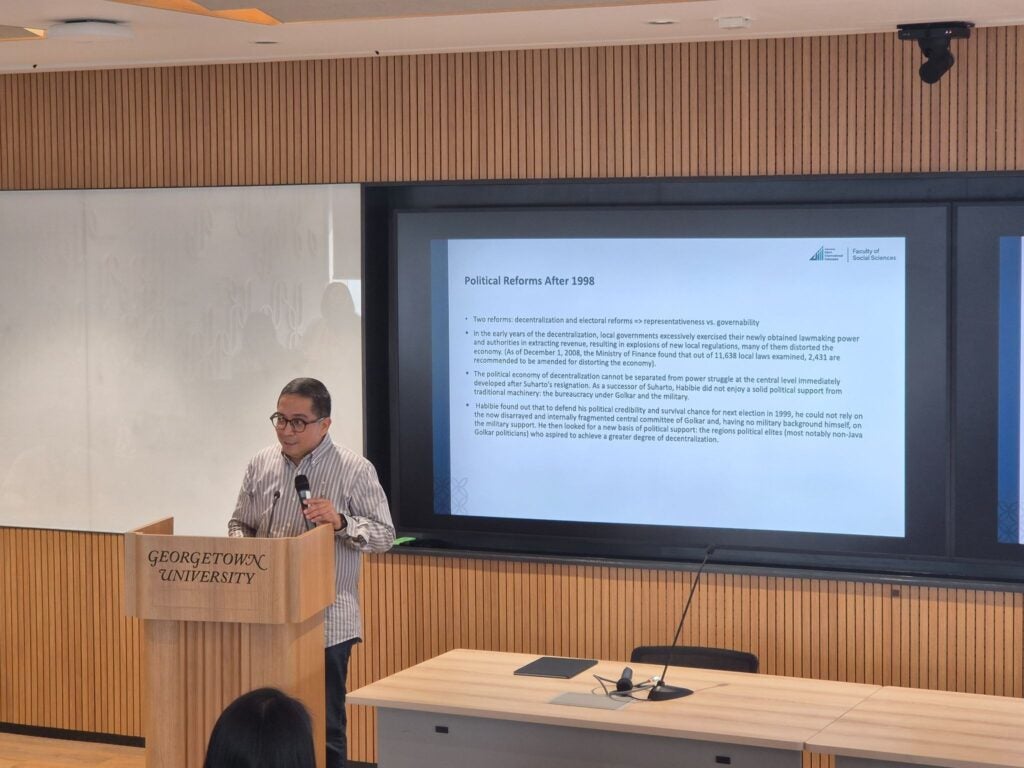
The core of the study trip was a three-day academic conference hosted by Georgetown University School of Foreign Service Asia Pacific in Jakarta from Monday, June 7 through Wednesday, June 9. The conference brought together leading scholars, policymakers, and practitioners to examine the political, economic, and environmental dimensions of Indonesia’s climate transition. Discussions focused on the political economy of decarbonization, the future of Indonesia’s energy system, the environmental consequences of resource extraction, and the opportunities and challenges associated with sustainable trade, investment, and carbon markets. Participants included Burhanuddin Muhtadi (Indikator Politik Indonesia and Syarif Hidayatullah State Islamic University), Dean Philips Vermonte (Universitas Islam Internasional Indonesia and the Centre for Strategic and International Studies), Putra Adhiguna (Energy Shift Institute), Teguh Dartanto (Universitas Indonesia), and Jessica Novia (CarbonEthics), among many others. The conference provided a forum for sustained dialogue between the visiting delegation and Indonesian experts, fostering new collaborations and comparative perspectives on climate governance and sustainable development.
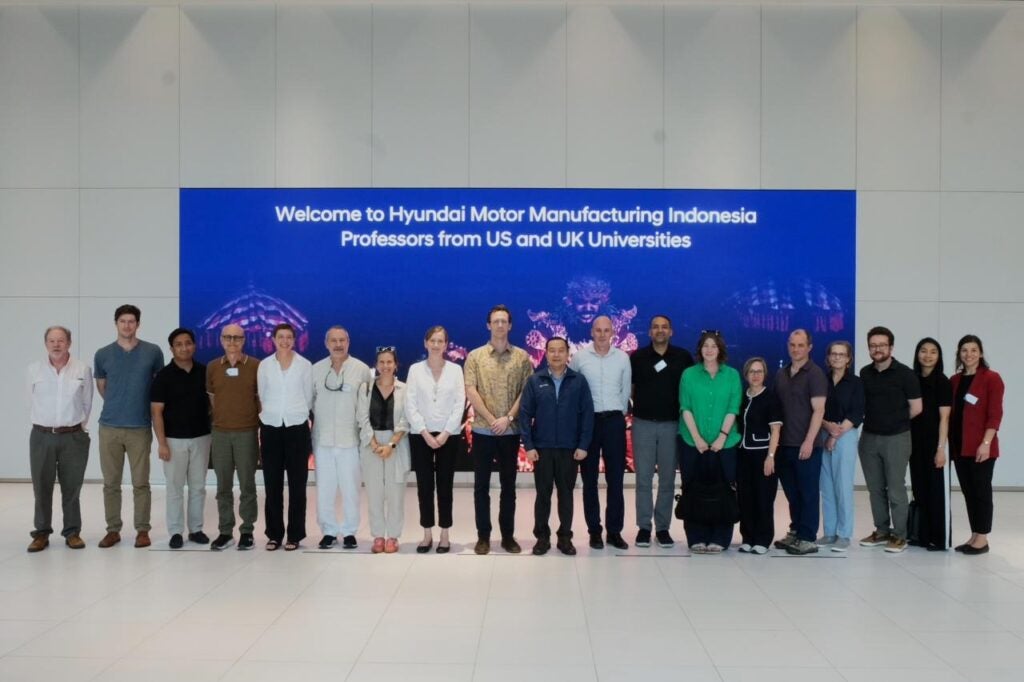
In parallel with the conference, participants also undertook a series of site visits designed to complement the academic discussions with firsthand exposure to Indonesia’s climate and development challenges. On Monday afternoon, the delegation visited Hyundai Motor Manufacturing Indonesia, where company representatives discussed Indonesia’s ambitions to become a regional hub for electric vehicle production and the strategic opportunities and challenges facing the country’s automotive sector. Discussions focused on industrial policy, supply chains, international competitiveness, and the rapid expansion of Chinese electric vehicle manufacturers in global markets. Participants then toured the assembly plant, observing each stage of the vehicle production process—from automated stamping, welding, and painting to final assembly and quality inspection—and learning how advanced robotics and skilled technicians work together throughout the manufacturing process.
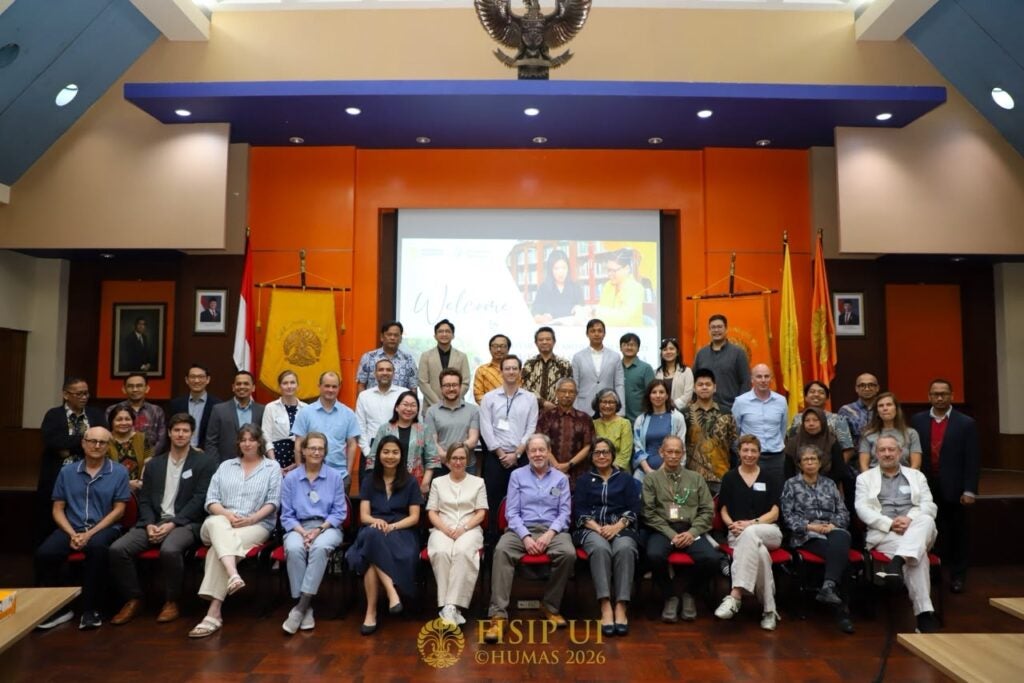
On Tuesday afternoon, the delegation visited the University of Indonesia, where faculty members presented current research on climate governance, environmental policy, and sustainable development in Indonesia. The visit provided an opportunity for substantive discussion of Indonesia’s evolving climate policy landscape and the governance challenges associated with balancing economic development and environmental sustainability. The day’s activities concluded with a dinner hosted by University of Indonesia faculty, providing an informal setting for continued conversation about climate change, economic development, and the shared opportunities and challenges facing institutions of higher education in Indonesia and the United States.
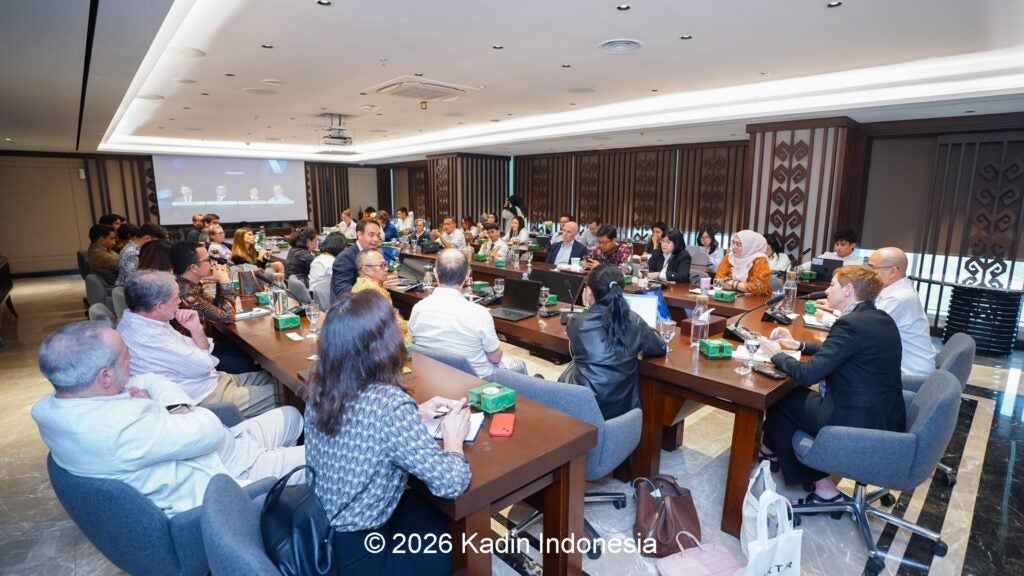
On Wednesday afternoon, the delegation visited the KADIN Institute, the research and policy arm of the Indonesian Chamber of Commerce and Industry, where participants met with representatives from numerous Indonesian and international businesses who are active in mining and critical minerals as well as the electric vehicles industry. Discussions focused on Indonesia’s economic development strategy, green industrialization, and the role of the private sector in supporting the country’s energy transition and broader sustainability goals. The visit provided an opportunity for a wide-ranging exchange of perspectives on the opportunities and challenges facing Indonesian industry, including investment, competitiveness, decarbonization, and public-private collaboration in achieving long-term development objectives.
On Thursday, June 11, the delegation traveled to Sanur, Bali, where the remainder of the study trip focused on the local dimensions of climate adaptation and environmental governance. Programming resumed on Friday with meetings featuring representatives from Indonesian civil society organizations working on climate resilience and conservation. The delegation first met with representatives from the Bali Legal Aid Institute (LBH Bali), who discussed ongoing climate adaptation litigation against the Government of Indonesia and the role of public interest law in advancing environmental accountability. The group also heard from representatives of the LINI Foundation, who presented their work on coastal conservation, marine ecosystem restoration, and community engagement in support of climate adaptation. These discussions were complemented by a visit to a local mangrove restoration site, where participants learned about the ecological importance of mangrove forests in protecting vulnerable coastlines.
The program culminated with an internal research workshop, providing participants with an opportunity to reflect on the week’s discussions and site visits and to consider how these experiences might inform future scholarship. Participants discussed emerging research agendas on topics including the political economy of critical minerals, industrial policy, climate adaptation, environmental governance, foreign investment, and the domestic politics of decarbonization. The workshop highlighted numerous opportunities for future collaboration with Indonesian scholars and institutions and underscored the value of combining academic exchange with direct engagement with policymakers, industry, and civil society.
See the detailed program for more information.